
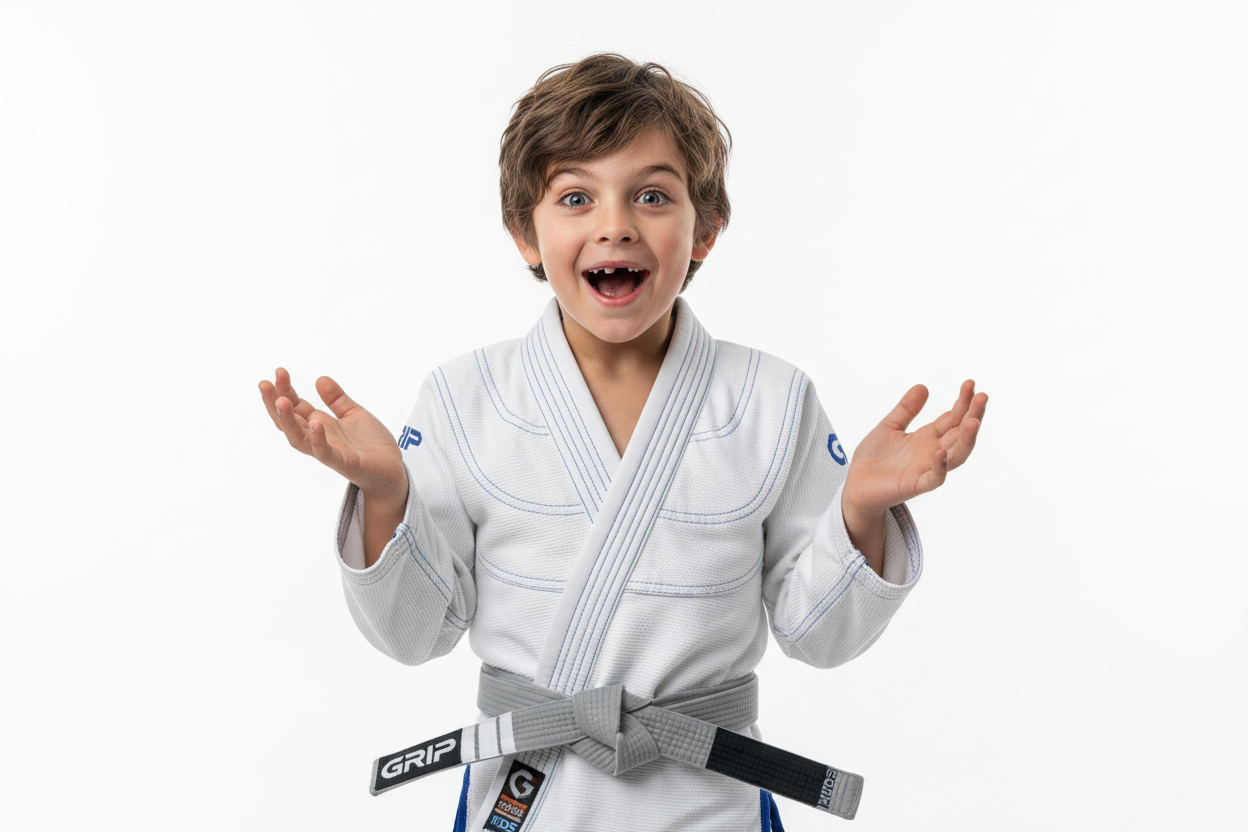
BJJ has exploded in popularity over the past decade — but how much do you really know about it? Here are eight facts that surprise even longtime practitioners.
1. It Was Developed in Brazil From Japanese Judo
BJJ traces its roots to Mitsuyo Maeda, a Japanese judoka who immigrated to Brazil in the early 1900s and taught his art to the Gracie family. The Gracies refined the ground-fighting elements into what became modern Brazilian Jiu Jitsu.
2. It Rose to Global Fame Through the UFC
When Royce Gracie entered the first UFC tournament in 1993 and defeated multiple larger opponents using BJJ, the world took notice. The event permanently changed martial arts and sparked global interest in ground fighting.
3. A Black Belt Can Take 10+ Years to Earn
BJJ is famous for having one of the most difficult belt progression systems in martial arts. The average time from white belt to black belt is 10–15 years of consistent training — far longer than most other arts.
4. Most Submissions Happen from the Guard Position
The guard — where you're on your back controlling your opponent between your legs — is a unique BJJ concept. Unlike most martial arts, being on your back in BJJ is not a defensive position; it's often an offensive one.
5. Kids Start as Young as 3 Years Old
Many academies offer programs starting at age 3–4. At Nemea Gear, our Jaguar Junior BJJ Gi is available from size C2, specifically designed for the youngest practitioners.
6. There Are Only 5 Belt Colors (Plus Stripes)
Unlike TKD, BJJ has just five adult belt levels: white, blue, purple, brown, and black. Stripes are added to each belt to mark progress — up to four per belt — before promotion to the next level.
7. BJJ Emphasizes Technique Over Strength
One of BJJ's most celebrated principles is that a smaller, technically skilled person can defeat a larger, stronger opponent using leverage and positioning. This is one of the main reasons it's so valuable for children.
8. It's One of the Most Effective Self-Defense Systems in the World
Studies of real-world altercations consistently show that the majority end on the ground. BJJ's ground-fighting expertise makes it one of the most practical self-defense systems available — which is why it's taught to military and law enforcement worldwide.